
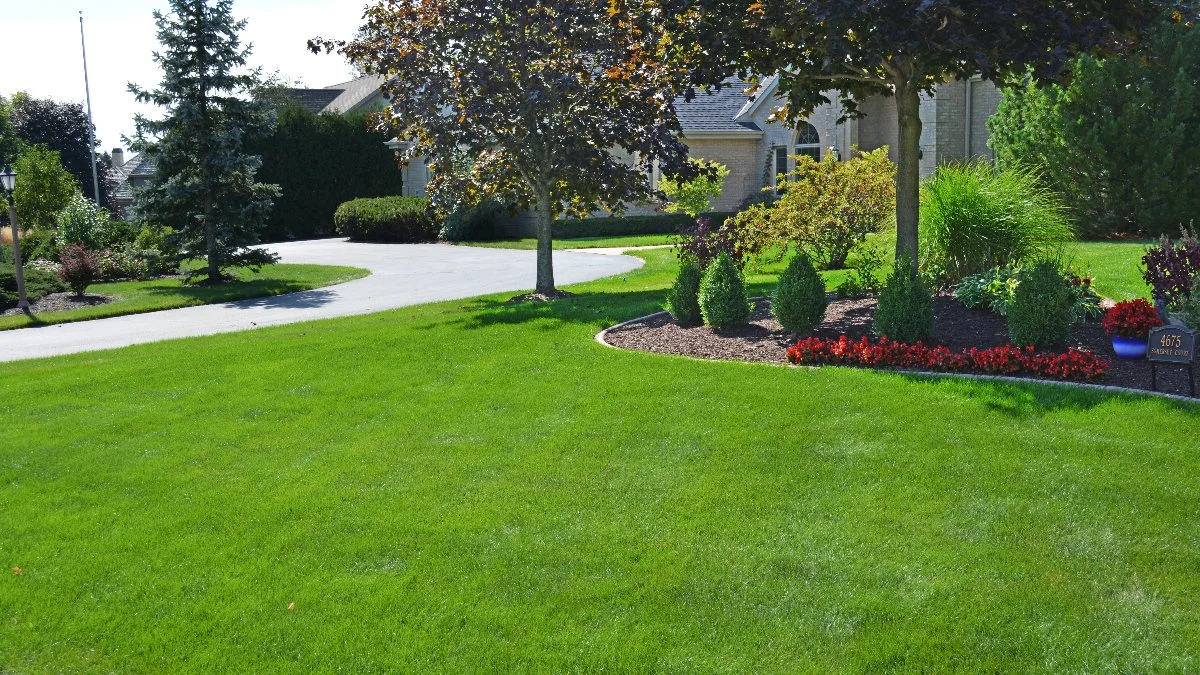
As the snow melts and temperatures rise, Wisconsin homeowners eagerly await the arrival of spring. It's time to shake off the winter blues and prepare your lawn for the growing season ahead. With proper spring lawn care, you can achieve a lush, healthy lawn that will be the envy of your neighborhood.
1. Clean Up Winter Debris
The first step in spring lawn care is removing winter debris. Rake up leaves, twigs, and any dead grass that accumulated over the winter months. This allows your lawn to breathe and prevents matting that can suffocate new growth. Remove any remaining snow piles in shaded areas to promote even thawing.
2. Assess Winter Damage
Walk your property and look for signs of winter damage. Common issues include:
- Brown patches from snow mold
- Bare spots from salt damage near walkways and driveways
- Compacted soil from heavy snow and foot traffic
- Damaged trees and shrubs from ice and wind
Identifying these problems early allows you to address them before they worsen.
3. Aerate Your Lawn
Spring aeration is crucial for Wisconsin lawns, especially after harsh winters. Aeration creates small holes in the soil, allowing water, nutrients, and oxygen to reach grass roots more effectively. This process also helps relieve soil compaction and promotes robust root development.
The best time to aerate cool-season grasses in Wisconsin is early spring or fall. Consider professional aeration services for optimal results, as proper equipment and technique make a significant difference.
4. Overseed Thin Areas
After aerating, overseed any thin or bare patches in your lawn. Spring is an excellent time for overseeding in Wisconsin because soil temperatures are warming up, and there's typically adequate moisture. Choose a grass seed blend appropriate for our climate, typically including Kentucky bluegrass, perennial ryegrass, and fine fescue.
For best results, ensure good seed-to-soil contact and keep the seeded areas consistently moist until germination occurs.
5. Apply Fertilizer Strategically
A spring fertilizer application jumpstarts your lawn's growth after dormancy. However, timing is critical. Wait until your grass has greened up and you've mowed it at least once before applying fertilizer. This typically occurs in late April or early May in Wisconsin.
Use a slow-release fertilizer with the appropriate nitrogen ratio for spring application. Avoid applying fertilizer too early, as it can promote excessive top growth at the expense of root development.
6. Control Weeds Early
Spring is prime time for weed prevention. Apply pre-emergent herbicides before soil temperatures reach 55°F consistently, which prevents crabgrass and other annual weeds from germinating. For existing weeds, spot-treat with post-emergent herbicides or remove them by hand.
Remember that a thick, healthy lawn is your best defense against weeds. Proper fertilization, mowing, and watering practices naturally reduce weed pressure.
7. Mow at the Right Height
As your grass begins growing, resume regular mowing. Set your mower blade to 2.5-3 inches for most Wisconsin lawn grasses. Never remove more than one-third of the grass blade length in a single mowing. Taller grass develops deeper roots, crowds out weeds, and better withstands heat and drought stress.
Keep your mower blades sharp to ensure clean cuts. Dull blades tear grass, creating entry points for disease and giving your lawn a brownish appearance.
8. Water Wisely
While spring typically brings adequate rainfall in Wisconsin, monitor soil moisture levels. Newly seeded areas need consistent moisture, while established lawns require about 1-1.5 inches of water per week. Water deeply and infrequently to encourage deep root growth.
Early morning is the best time to water, as it allows grass blades to dry before evening, reducing disease risk.
9. Edge and Define Landscape Beds
Spring is the perfect time to refresh your landscape bed edges. Clean, defined edges between your lawn and planting beds create a polished appearance and help prevent grass from invading your flower beds. Consider adding fresh mulch to landscape beds to suppress weeds and retain moisture.
10. Plan for Ongoing Maintenance
Develop a lawn care schedule for the growing season. Regular maintenance throughout spring and summer is much easier than trying to revive a neglected lawn. Consider professional lawn care services if you lack the time or equipment for proper maintenance.
When to Call the Professionals
While many spring lawn care tasks are manageable for homeowners, professional services offer several advantages:
- Commercial-grade equipment for superior results
- Expert knowledge of local soil conditions and grass varieties
- Proper timing and application of treatments
- Comprehensive programs that address all aspects of lawn health
- Time savings, allowing you to enjoy your lawn rather than laboring over it
Get Your Lawn Spring-Ready
At Kanavas Landscape Management, we've been helping Wisconsin homeowners achieve beautiful lawns since 1974. Our comprehensive spring lawn care programs include aeration, overseeding, fertilization, and weed control tailored to your property's specific needs.
Schedule Your Spring ServiceConclusion
Spring lawn care sets the foundation for a healthy, attractive lawn throughout the growing season. By following these essential tips and staying proactive with maintenance, you'll enjoy a lush, green lawn that enhances your property's curb appeal and provides a beautiful outdoor space for your family.
Remember, every lawn is unique, and Wisconsin's variable weather patterns can affect timing and specific care needs. When in doubt, consult with local lawn care professionals who understand the challenges and opportunities of maintaining lawns in our region.