
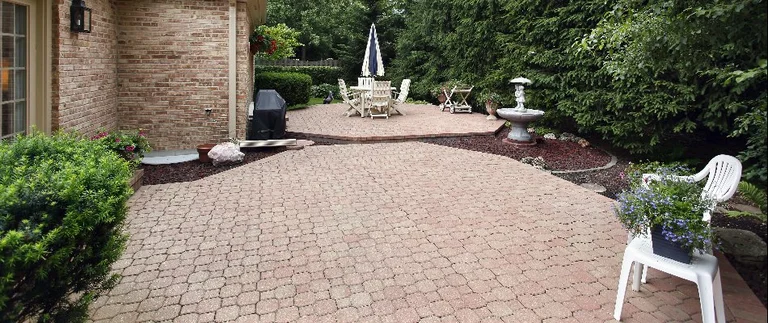
For families in Oconomowoc and Chenequa, the middle of February is the optimal time to move from outdoor dreaming to technical hardscape planning. In 2026, the focus on Outdoor Living centers on creating durable, multi-functional spaces that can withstand the extreme temperature fluctuations of the Wisconsin climate. A professional logistics guide involves a deep dive into material science and hydraulic drainage to ensure that your new patio or fire feature remains structurally sound despite the relentless pressure of the local freeze-thaw cycle.
Kanavas Landscape Management specializes in high-performance Landscaping and Yard Drainage solutions that combine aesthetic beauty with long-term structural durability.
Engineering Resilient Outdoor Living Environments
Building a durable hardscape in the Milwaukee area requires a data-driven approach to material selection and subgrade preparation:
Selecting High-Density Natural Stone for Thermal Stability
We utilize premium limestone and flagstone that feature low porosity to prevent water absorption and the subsequent cracking caused by internal ice expansion.
Designing Automated Drainage and Runoff Mitigation
Every hardscape project includes a calculated slope and subgrade base to ensure that water is directed away from the house foundation and vulnerable paver joints.
Integrating Fire Features for Multi-Season Functionality
We design built-in stone fire pits and fireplaces that serve as architectural focal points while extending the usability of your outdoor rooms into the cooler Wisconsin months.
Optimizing Lighting for Safety and Nighttime Curb Appeal
Our 2026 designs incorporate low-voltage architectural lighting to enhance the security of your approach while highlighting the textures of your stone masonry.
Preparing Detailed Base Maps and Utility Clearances
We perform precision tape measurements to identify the locations of underground lines and overhangs, ensuring your new construction complies with all local Service Areas building codes.
Investing in a professionally engineered hardscape today transforms your property into a year-round sanctuary that adds significant value to your Wisconsin home.
Are You Ready to Design Your 2026 Outdoor Oasis?
Schedule a comprehensive hardscape planning and site design consultation with our experts!
Inquire NowThe Science of Freeze-Thaw Resistance
Wisconsin's climate presents unique challenges for hardscape construction. The freeze-thaw cycle—where water penetrates materials, freezes, expands, and then thaws—can destroy poorly designed hardscapes in just a few years. Our engineering approach accounts for this reality by selecting materials with appropriate absorption rates, designing proper drainage systems, and installing adequate base layers that resist frost heaving.
Material Selection: Beyond Aesthetics
While appearance matters, material performance is paramount in Wisconsin hardscaping. We evaluate materials based on:
- Absorption rate and freeze-thaw durability
- Coefficient of thermal expansion
- Surface texture and slip resistance when wet or frozen
- Compatibility with local soil conditions
- Long-term color stability and weathering characteristics
- Availability of replacement materials for future repairs
The Foundation of Success: Base Preparation
The most beautiful paver or stone installation will fail without proper base preparation. Our hardscape projects begin with meticulous excavation, compacted aggregate base layers, and proper grading for drainage. We typically install 6-8 inches of compacted base material, with additional depth in areas with poor soil conditions. This investment in proper foundation work prevents settling, shifting, and premature failure.
Drainage: The Hidden Critical Component
Water management makes or breaks hardscape longevity. We design every project with multiple drainage considerations: surface slope to move water away from structures, subsurface drainage to prevent water accumulation in the base layer, and integration with existing site drainage patterns. Poor drainage leads to ice formation, settling, and structural failure—problems that are expensive to correct after installation.
Fire Features: Engineering for Safety and Enjoyment
Outdoor fire features add ambiance and extend the usability of outdoor spaces, but they require careful engineering. We consider fuel type, ventilation, wind patterns, proximity to structures, and local fire codes. Natural gas and propane fire features offer convenience and cleaner burning, while wood-burning options provide traditional appeal. Each option requires specific design considerations for safety and optimal performance.
Lighting Design: Functionality Meets Beauty
Proper outdoor lighting serves multiple purposes: safety, security, and aesthetic enhancement. We design lighting systems that illuminate pathways and steps for safe navigation while highlighting architectural features and plantings. Low-voltage LED systems offer energy efficiency, longevity, and flexibility. Strategic lighting placement creates dramatic effects while avoiding light pollution and glare.
Timeline and Planning Considerations
February planning allows for spring installation when weather permits. The typical hardscape project timeline includes:
- Initial consultation and site assessment
- Design development and material selection
- Permit acquisition and utility location
- Material ordering and project scheduling
- Installation during optimal weather conditions
- Final grading and landscape integration
Early planning ensures we can complete your project during the ideal construction window and have it ready for enjoyment throughout the summer season.